

Red Incola: Scholarship Program
25.04.2026
The video, which forms part of the Erasmus project ‘Inclusion in Times of Exclusion’, showcases a best practice initiative by Red Incola aimed at promoting the inclusion of children and their families: the Scholarship Programme. It outlines the programme and the needs it addresses, and also features testimonials from some of the beneficiaries.
AEF: Working with older people on the Adentro project
17.4.2026
In this video, AEF showcases its work with older people. It serves as an example of successful work with a specific group of migrants.
As part of the ‘Inclusion in Times of Exclusion’ project, AEF presented the Adentro project and its methods. The video is in Spanish.
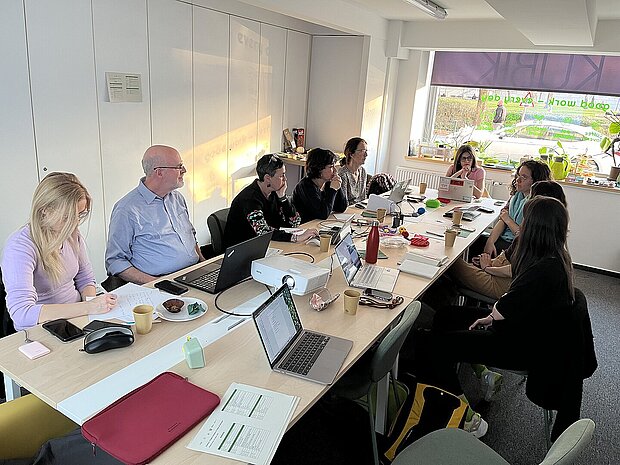
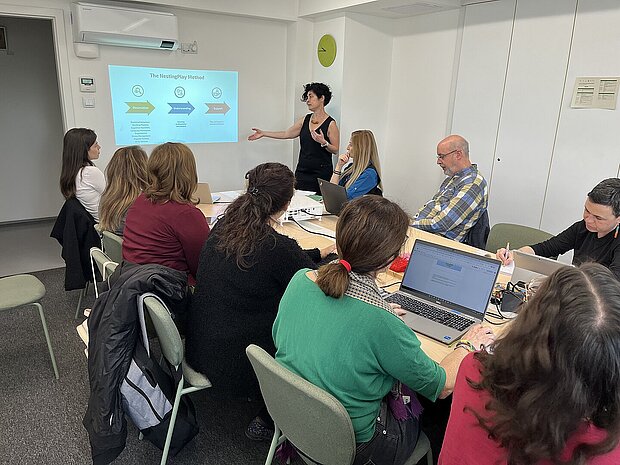
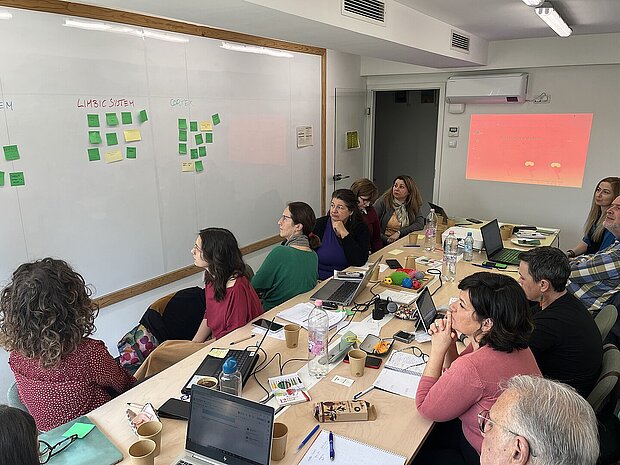
Nesting Play: Work with Children
03.03.2026
We provide practical methods to make it easier to engage children who function differently in group settings—whether they have attention issues, sensory sensitivities, or behavioral challenges. Our methods are easy to understand, accessible to anyone, and require no prior training or special financial investment.
ASR: Program "Raices" - Radio Maria
07.02.2026
This episode explores the role of employment as a key pathway to integration for migrants. The programme also presents updates and lessons learnt from the “Inclusion in Times of Exclusion” project, highlighting the importance of promoting employment and social opportunities that facilitate genuine processes of inclusion.
Key takeaways from the episode
- Work as a central element for social integration.
- The difficulties migrants face in accessing the labour market.
- The importance of decent and stable jobs.
- The role of the host society in integration processes.
- The dissemination of progress from the Erasmus+ project “Inclusion in Times of Exclusion”.
ASR Pampuri: first hand testimonies
29.01.2026
As part of the “Inclusion in Times of Exclusion” project, funded by the European Union’s Erasmus+ programme, an outreach video has also been produced with the aim of publicising the work carried out, sharing lessons learnt and raising awareness of the realities faced by many migrants in vulnerable situations.
The video presents the project’s approach, its objectives and some of the initiatives developed to promote social inclusion, community participation and the creation of opportunities for migrants. This audiovisual resource aims to bring the project closer to the public and encourage reflection on the importance of building more open, supportive and inclusive societies.
Popoli Insieme Podcast: Culture and Communities
15.01.2026
Building a more welcoming community is only possible when the community is involved: for us, this means organising events and awareness-raising initiatives for the public that promote interaction, mutual understanding and intercultural dialogue, and that focus on the stories of the people we welcome and, more broadly, of migrants and refugees.
That is why, whether for a specific occasion such as Refugee Day or as part of neighbourhood festivals where we are present with our reception centres, every event is important to us for creating spaces for inclusion and socialising.
Furthermore, we are actively involved in various projects at local, national and European level to promote opportunities for encounters, exchange and youth leadership across the region, with a particular focus on the role of volunteering. The main objective is to listen to those involved and make room for different perspectives and narratives, because it is through encounter and relationship that truly welcoming communities can emerge, where everyone is valued and where everyone has the chance to live a dignified and free life
NestingPlay: Podcast
08.01.2026
We provide practical methods to make it easier to engage children who function differently in group settings—whether they have attention issues, sensory sensitivities, or behavioral challenges. Our methods are easy to understand, accessible to anyone, and require no prior training or special financial investment.
We believe that every child is capable of connecting—you just have to find the right way to reach them. That’s why we’re here to help you so you can help them.
Our mission is to help children who come from tough backgrounds—whether it's because they have attention issues, sensory challenges, anxiety, or are dealing with a lot of stress—feel like they’re part of something bigger, a shared experience. We genuinely believe that forming connections, working together, and just enjoying each other's company isn’t a privilege but a basic right for all children.
Red Incola Podcast: Work with Migrants
15.12.2025
In this new episode of Radio Inclusión, we visit Red Íncola, a key organisation in Valladolid that has been working since 2006 to provide comprehensive support to vulnerable migrants. We spoke with some of their team to gain an insight into their day-to-day work, the vital role of volunteering, the impact of European projects in areas such as youth, education and interculturalism, and the reality faced by migrant women, which is often characterised by multiple forms of discrimination and invisibility. An episode that shines a spotlight on inclusion, diversity and social commitment from a personal, human and transformative perspective.
Popoli Insieme Podcast: Work with Volunteers
15.12.2025
The volunteers at Popoli Insieme play a vital role in our organisation. Choosing to spend your free time supporting refugees and asylum seekers, promoting intercultural education and raising awareness at a local level means being part of a “warm welcome”, which involves welcoming not only refugees, but also volunteers and local residents into our vision of community.
Fourth Project Meeting in Padova, Italy
20.10.2025
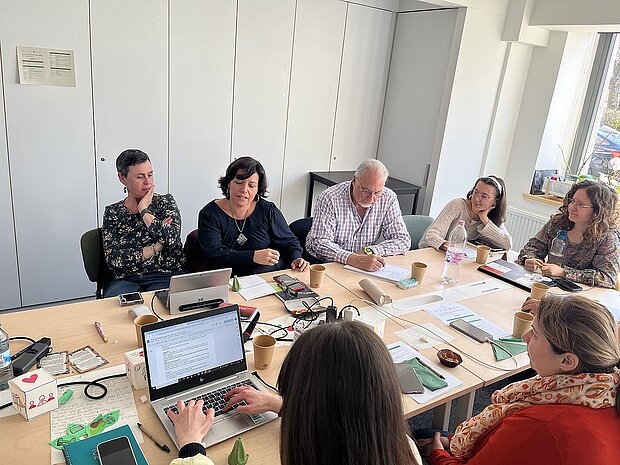
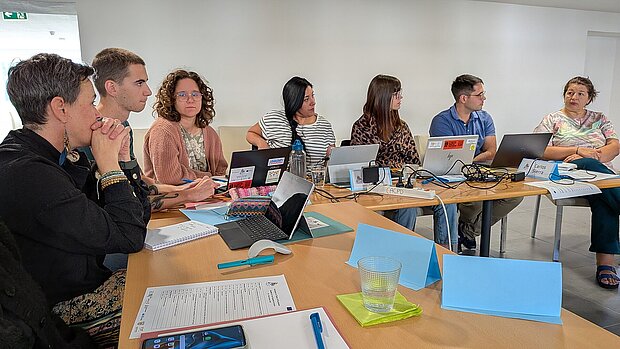
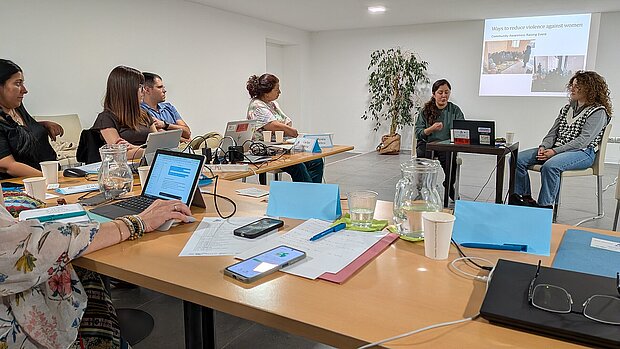
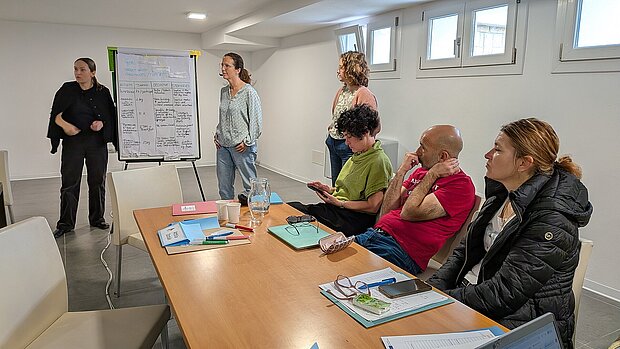
From 7 to 10 October 2025, the fourth TPM of the Erasmus project Inclusion in Times of Exclusion took place in Padua. Participants from Spain, Italy, Hungary, Germany and Romania learned about the work of the Italian organisation Popoli Insieme at this meeting.
Popoli Insieme's work focuses on working with migrants, with a particular emphasis on cultural work. We learned how to develop an activity to promote individual communities.
ASR: Podcast Program "Raices" - Radio Maria
14.06.2025
This episode examines contemporary migration flows, their causes and the challenges they pose for host societies. The programme also shares insights related to the “Inclusion in Times of Exclusion” project, helping to promote its approach and the lessons learnt regarding the social inclusion of migrants.
Key ideas from the episode
- Migration as a global and structural phenomenon.
- Economic, social and political factors influencing migratory movements.
- The routes and experiences of migrants.
- The challenges of integration in host societies.
- The dissemination of the Erasmus+ project “Inclusion in times of exclusion” and its progress.
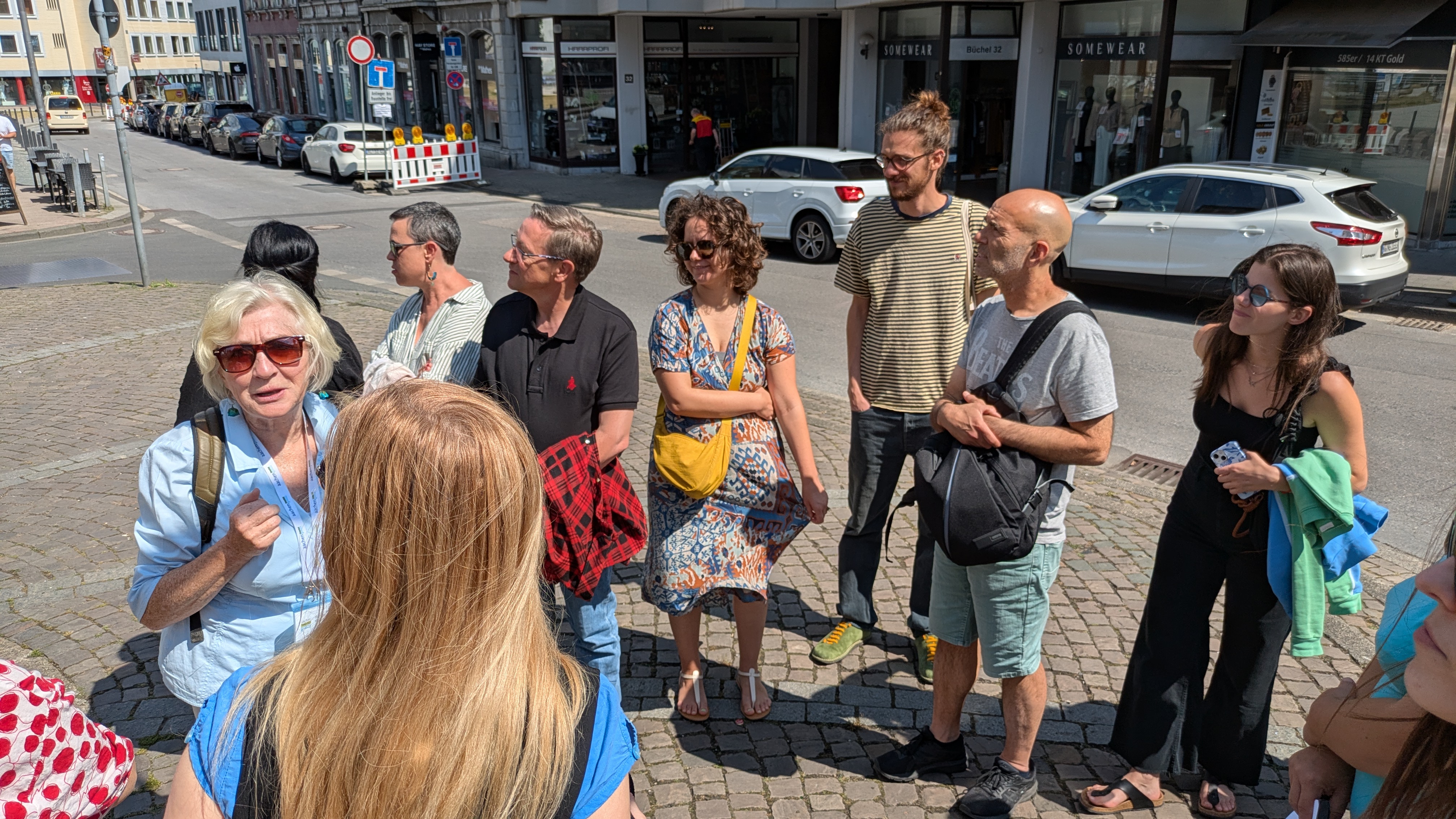
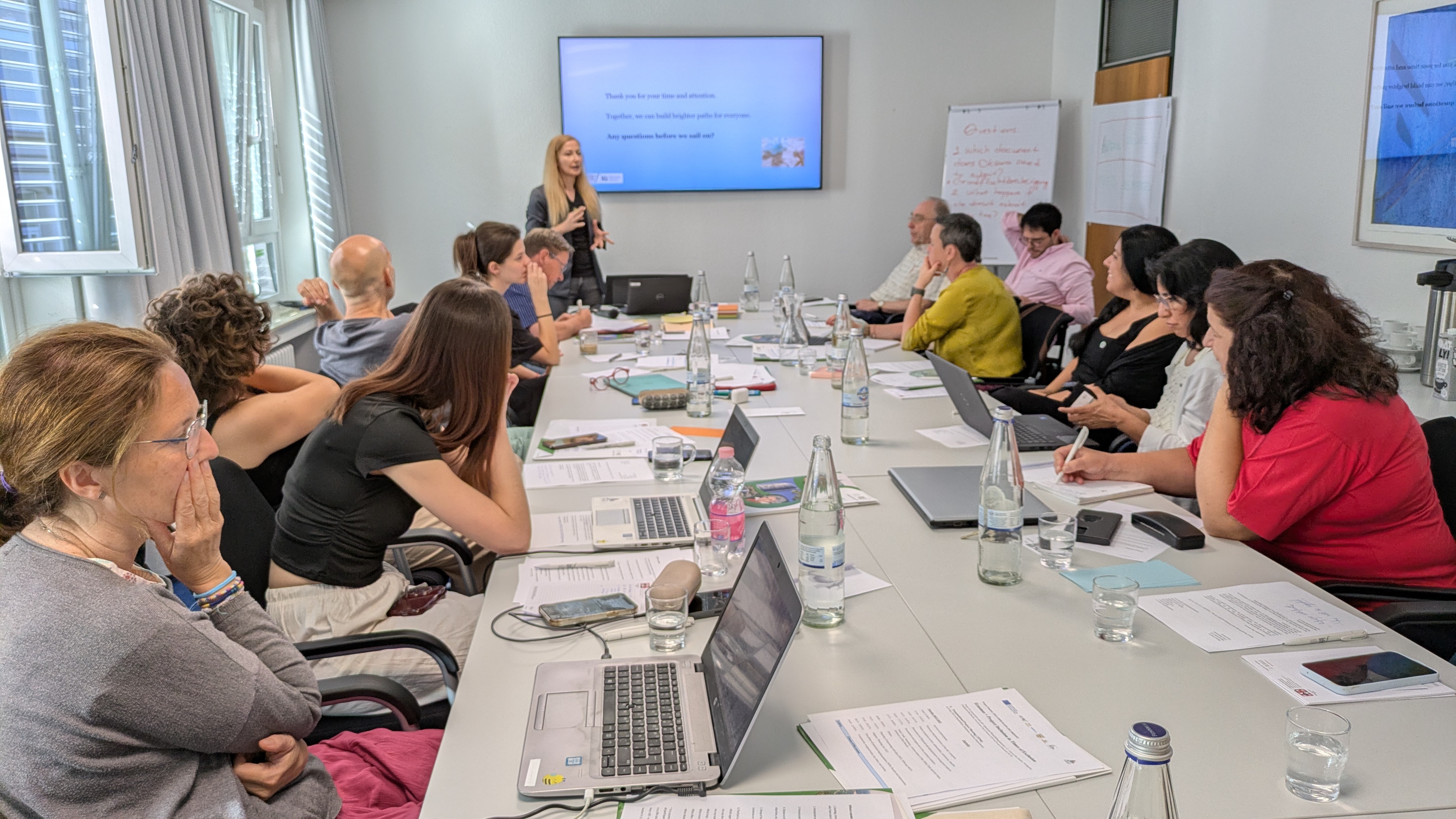
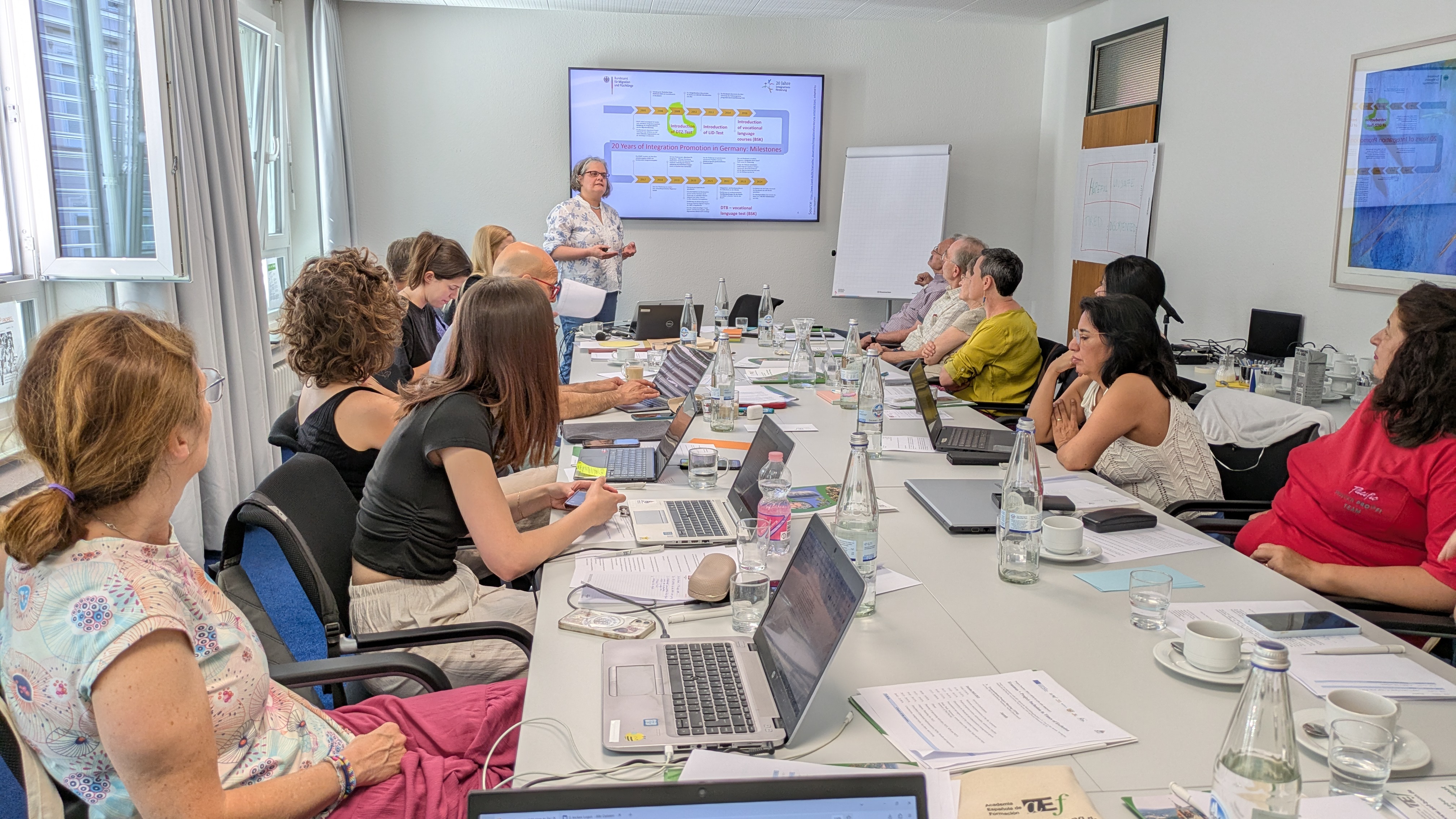
Third project Meeting in Aachen 8.-11.7.2025
In Aachen, the partner organisations got to know the work of the AEF in Germany. The meeting focussed on Paulo Frere's pedagogy and various approaches to working with migrants.
In addition to the presentation of the women's courses, the materials used in the integration courses and the IQ (Integration through Qualification) programme, which focuses on labour market integration, were also discussed. The participants were able to familiarise themselves with various methods, working methods and practical examples of the AEF's work.
ASR: Podcast Program "Raices" - Radio Maria
31.05.2025
This episode explores the challenges of inclusion faced by many migrants in today’s society. The programme shares reflections and experiences linked to the ‘Inclusion in Times of Exclusion’ project, highlighting the importance of social support, access to rights and the building of support networks to foster genuine integration processes.
Key ideas from the episode
- Situations of social exclusion affecting many migrants.
- The importance of social and community support.
- Administrative and employment-related difficulties to integration.
- The role of social organisations in inclusion processes.
- The dissemination of experiences and lessons learnt from the Erasmus+ project “Inclusion in times of exclusion”.
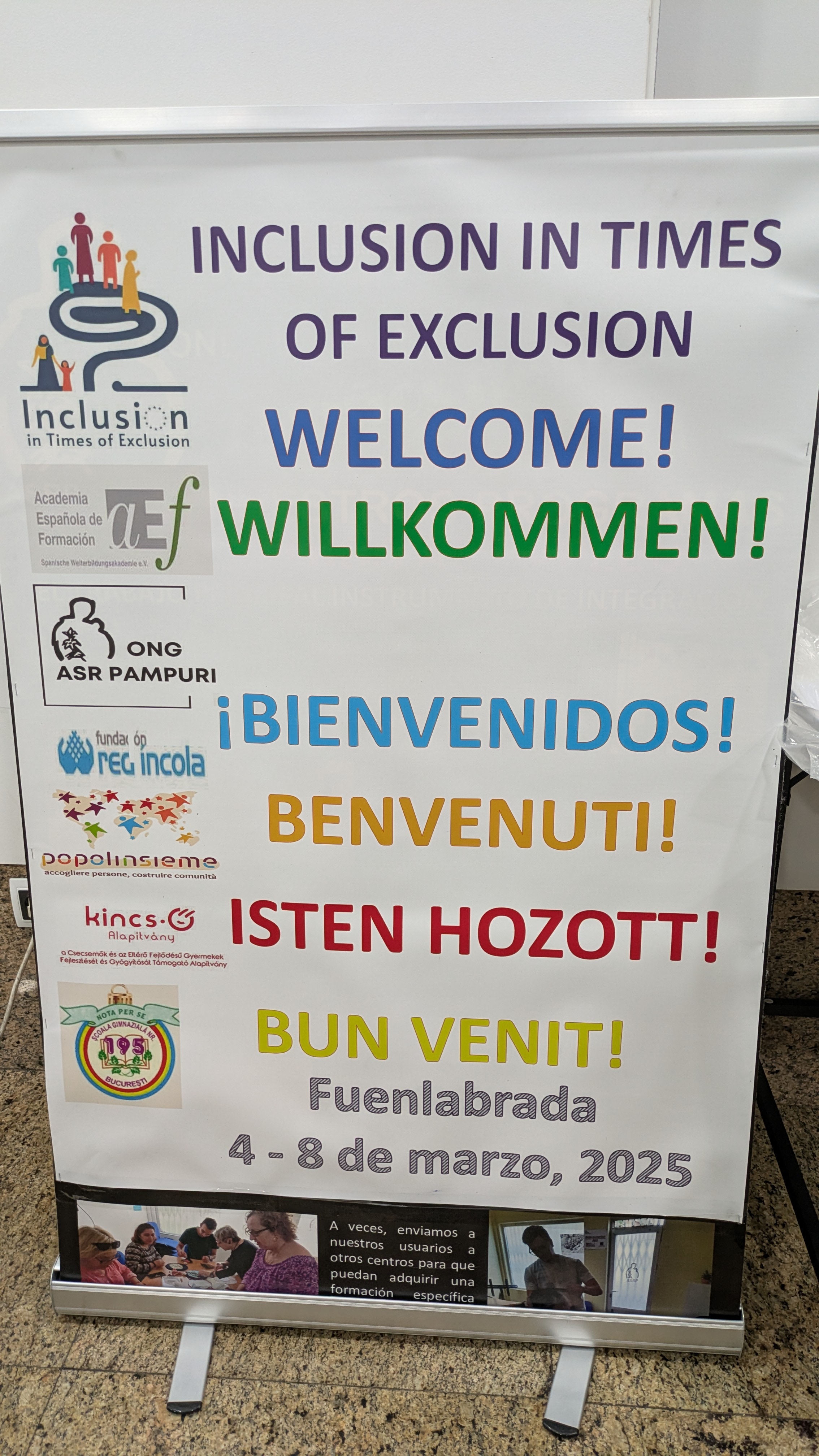
Second project meeting in Madrid 4.-7.3.2025
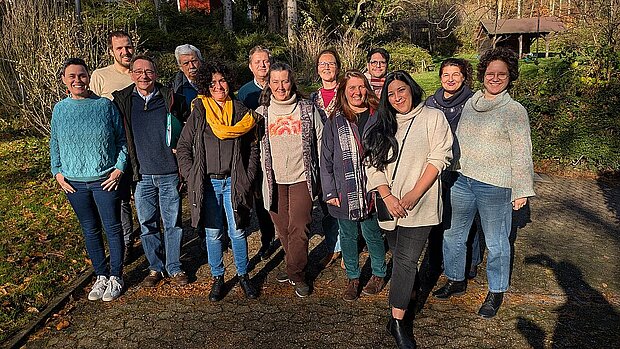
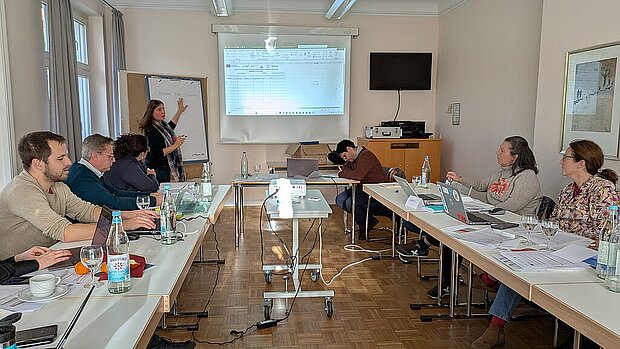
From 4 to 7 March 2025, the second TPM of the new Erasmus project Inclusion in Times of Exclusion took place in Madrid. Participants from Spain, Italy, Hungary, Germany and Romania attended the meeting to learn about the work of the two Spanish organisations ASR Pampuri (Fuenlabrada) and Red Incola (Valladolid).

Erasmus Project: Inclusion in Times of Exclusion 2024-26
From September 2024 to December 2026, AEF Bonn will take on the role of coordinating institution for the ERASMUS Plus project ‘Inclusion in times of exclusion’, which will be carried out in close cooperation with partners from Hungary, Italy, Romania and Spain.
The partner organisations want to set a positive example of participatory inclusion work with a signalling effect for other organisations, EU policy and all democratic self-organisations of migrants and other socially disadvantaged groups. The aim is to empower socially disadvantaged parents, such as migrants, refugees and Roma, to organise themselves, to participate in society and to stand up for the interests and educational success of their children.
Activities: Implementation and further development of a transnational empowerment methodology for socio-educational work with socially disadvantaged parents to promote children's educational opportunities, strengthen the self-organisation and social participation of migrants, refugees and Roma. Exchange of experiences and good practice, training of multipliers, development of educational material and documentation of exclusion factors for political discussion in the EU.
What is to be achieved: Strengthening and networking of partner organisations and promotion of their inclusion work through European know-how transfer in the field of inclusive parental work for the educational success of children, prevention of early school leaving, development of educational material, videos and podcasts. Implementation of participatory parental work through multiplier training, recommendations for action for national and European inclusion policies, development of self-organisations of socially disadvantaged groups.
Six partner organisations from five European countries (Germany, Spain, Hungary, Romania and Italy) were selected for their experience, scientific background, expertise in promoting specific target groups or complementary approaches. The results of this project can be found on this website under ‘Publications’.